Normal Operating Power
Some DC operators use batteries as their normal power source while an AC or solar charging system keeps those batteries charged.






Gate batteries are part of a complete electrical system that may include an AC charger, solar charging equipment, control board, operator and accessories. This guide explains weak-battery symptoms, charging problems, battery testing, repeated discharge and what can shorten usable battery performance.
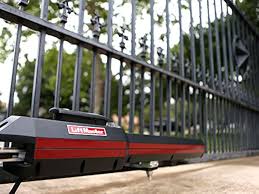
The exact battery arrangement is operator-specific. A healthy gate system must not only have serviceable batteries—it must also charge them correctly and avoid consuming more energy than the power system can replace.
Before diagnosing a battery problem, it helps to understand what job the batteries perform in the specific gate operator.
Some DC operators use batteries as their normal power source while an AC or solar charging system keeps those batteries charged.
Other operators normally receive AC power but use batteries to continue gate operation when primary power is lost.
Solar-powered gate systems commonly store collected energy in a battery system so the operator can run when sunlight is unavailable.
Gate operators can use different system voltages, battery quantities, capacities and battery types. The correct replacement is determined by the exact operator and manufacturer specifications—not simply by whether a battery physically fits inside the cabinet.
Operators may use different DC system voltages and battery configurations.
Battery capacity affects the amount of usable stored energy available to the system.
Use the chemistry, construction and specification approved for the particular operator.
Two batteries with the same nominal voltage can have different capacity, construction, terminal configuration and intended application. Follow the manufacturer's battery requirements.
In some operators, batteries supply normal operating power while AC or solar equipment continually replenishes the stored energy. Charging problems can therefore affect everyday operation.
Other gate operators run primarily from AC power and use batteries mainly when primary power is interrupted. A weak backup battery may go unnoticed until an outage occurs.
These symptoms can point toward a battery or charging problem, but they do not prove the battery itself is defective.
Reduced available voltage or capacity can contribute to slow or weak operator performance.
Voltage can fall under load even when the system appeared normal before movement began.
Operator diagnostics may identify low-voltage or battery-related conditions depending on the model.
Short-lived recovery can point toward reduced battery capacity, poor charging or excessive system demand.
A backup battery may appear fine during normal AC operation but fail when required to carry the operator.
Batteries that fail unusually often can indicate a charging or system-load problem beyond the battery itself.
When batteries repeatedly go low, diagnosis should follow the complete energy path rather than automatically installing another battery.
Verify whether AC power or solar energy is available to the charging system.
Transformer, power supply, solar controller or onboard charging circuitry must function correctly.
Damaged, loose or corroded connections can prevent proper charging.
The batteries must accept charge while the system demand remains within the operator's intended design.
Some battery-powered and battery-backup gate systems use incoming AC power through a transformer, power supply or onboard charger. If that charging path fails, the operator may eventually show low-battery symptoms even though electrical service exists at the property.
A solar gate can have healthy batteries and still lose charge if the panel receives insufficient sunlight, the panel or wiring is damaged, charging equipment is not functioning, or the complete system consumes more energy than solar charging replaces.
Replacing batteries without correcting an underlying solar-charging problem can lead to the same symptoms returning.
Read the Solar Gate Operator Guide →
Repeated low-battery conditions can come from several parts of the system. The goal is to determine whether energy storage, charging or electrical/mechanical demand is out of balance.
Reduced usable capacity can cause voltage to fall quickly when the gate begins moving.
AC or solar energy may not be reaching the battery correctly.
Controls or accessories can consume stored energy even while the gate is idle.
More gate cycles increase the amount of energy that must be replaced.
A gate that drags, binds or has damaged hardware can increase operator demand.
Temperature and installation conditions can affect available battery performance.
A battery evaluation should consider how the battery behaves in the complete system. A resting voltage reading by itself may not show how well the battery can support the operator when the gate places it under load.
Voltage and visible battery condition provide useful initial information.
Battery voltage and operator performance during gate movement can reveal problems not obvious at rest.
Testing should also determine whether the system is actually replenishing the battery correctly.
Depending on the system, batteries or charging equipment may also support control boards, receivers, access controls, safety equipment and other connected devices.
Wireless access equipment may require continuous standby power.
Access-control devices add to the complete electrical load.
Required monitored protection must remain powered and functional.
Communication or management equipment can add standby demand.
Gate batteries operate in outdoor enclosures where temperature, moisture, corrosion and environmental exposure can affect the complete electrical system.
Available battery performance can change with ambient temperature and operating conditions.
Damaged seals or corroded electrical connections can create charging and power problems.
Damaged operator or battery enclosures should be addressed so electrical components remain properly protected.
A battery and operator that perform normally on a freely moving gate may struggle when hinges, rollers, wheels, track or other gate hardware create excessive resistance.
Proper support, alignment and moving hardware allow the operator to work without unnecessary resistance.
Mechanical resistance can increase motor current and reduce the available battery reserve during operation.
Battery replacement should correct a confirmed battery problem—not temporarily hide a charging, wiring, gate or accessory problem.
Battery maintenance should follow the exact operator manual and should be considered together with the charger, electrical connections, gate movement and connected accessories.
Watch for loose, damaged or corroded visible battery and charging connections.
Low-battery or charging warnings should be investigated rather than repeatedly cleared.
Changes in speed, travel or operation can provide early clues to power or mechanical problems.
AC or solar charging equipment needs to remain functional.
Correct alignment and moving hardware help avoid unnecessary operator demand.
Battery inspection, service and replacement procedures vary by model.
Dynamic Door Service evaluates the battery together with the charging source, wiring, control system, operator, accessories, safety equipment and physical gate so the repair addresses the cause rather than only the symptom.
Battery behavior, voltage response, connections and usable stored power.
AC or solar power source, charging equipment, wiring and connections.
Operator performance, gate movement, controls, accessories and safety equipment.
Dynamic Door Service provides automatic gate diagnostics, repair and complete gate-system and safety inspections throughout East Texas. We can evaluate the battery, AC or solar charging system, wiring, operator, controls, accessories, safety equipment and physical gate.

Copyright 2026. DYNAMIC DOOR SERVICE TX LLC. All Rights Reserved.


