Daily Operating Cycles
A door used as the home’s primary entrance may complete several times more cycles than a door used only for occasional vehicle access.







Learn the typical service life of garage doors, springs, openers, rollers, cables, weather seals, batteries, sensors, and other components—and what causes them to wear out sooner.
Use the links below to compare typical service-life ranges, wear factors, warning signs, and repair or replacement considerations.
A complete residential garage door can often remain in service for approximately 15 to 30 years when it is correctly installed, maintained, protected from major damage, and matched with the proper hardware. The individual components do not all last that long and will normally require repair or replacement at different times.
Use these ranges for general planning only. The actual condition of the component is more important than its age.
| Garage Door Component | General Planning Range | Important Notes |
|---|---|---|
| Complete Residential Door | Approximately 15–30 years | Material, climate, impacts, finish care, usage, installation, and maintenance strongly affect the result. |
| Standard Residential Springs | Often about 10,000 cycles | One cycle is one full opening and closing. Higher-cycle options may be available. |
| Residential Garage Door Opener | Commonly about 10–15 years | Balance, usage, environment, electronics, drive wear, and parts availability affect replacement timing. |
| Opener Backup Battery | Commonly about 1–2 years | Temperature, outages, charging condition, storage, and battery type affect life. |
| Bottom and Perimeter Seals | Often several years | Sun, heat, cold, friction, pests, chemicals, standing water, and floor condition may shorten life. |
| Rollers and Hinges | Condition-based | Material, bearing design, lubrication needs, door weight, track condition, and daily use matter more than age alone. |
| Lift Cables, Drums and Bearings | Condition-based | Replace when worn, frayed, corroded, damaged, slipping, binding, or incompatible with the door system. |
| Tracks and Structural Brackets | May last the life of the door | Impact damage, corrosion, loose attachment, modification, or alignment problems can require earlier replacement. |
| Photo-Eye Sensors and Controls | Condition-based | Wiring damage, moisture, impact, electronics, compatibility, and opener age determine replacement. |
Two identical doors can age very differently because the complete installation, environment, usage pattern, maintenance history, and damage exposure are rarely the same.
A door used as the home’s primary entrance may complete several times more cycles than a door used only for occasional vehicle access.
Insulation, glass, overlays, reinforcement, width, height, material, and added accessories affect the load carried by the hardware.
A door that is too heavy, rises by itself, or binds during travel can place additional strain on the opener, rollers, cables, and sections.
Track alignment, reinforcement, fastener attachment, spring selection, opener connection, sensor placement, and final adjustment all matter.
Humidity, rain, condensation, standing water, temperature changes, direct sun, salt, and chemicals can affect finishes and hardware.
Vehicles, lawn equipment, sports equipment, storms, stored objects, and forced operation can shorten the life of otherwise sound parts.
Appropriate cleaning, lubrication, safety testing, tightening, adjustment, and professional inspection can reduce avoidable wear.
Incorrect springs, mismatched rollers, improvised reinforcement, or substituted hardware can create stress elsewhere in the system.
A properly installed and maintained residential garage door may remain serviceable for approximately 15 to 30 years. That does not mean every original spring, roller, seal, cable, or opener will last for the same period.
Springs, rollers, seals, opener batteries, controls, and other serviceable components may require attention while the sections and track structure remain usable.
An older door may remain safe and reliable when its sections, reinforcement, hardware, tracks, balance, and safety systems are still in good condition.
Vehicle impacts, bent sections, severe rust, broken joints, delamination, damaged glass, or structural modification may make replacement more practical.
Homeowners may replace a working door to improve insulation, security, wind performance, curb appeal, noise, or compatibility with a new opener.

Material influences corrosion, finish care, impact resistance, moisture sensitivity, weight, maintenance, and repair options. Product quality and installation still matter as much as the material category.
Factory-finished steel can provide long service with relatively low finish maintenance. Scratches, dents, standing moisture, corrosion, coastal exposure, and neglected damage can shorten useful life.
Wood can remain beautiful and serviceable for many years when all surfaces and edges receive the required sealing, staining, painting, cleaning, and moisture protection.
Aluminum resists rust but can dent, bend, loosen at connections, or suffer finish and glazing damage. Glass type, frame design, hardware, and door weight affect service needs.
Composite materials may offer wood-look detail with reduced finish maintenance, but overlays, adhesives, coatings, edges, and attachment points should be monitored for movement or separation.
Double- and triple-layer construction may increase rigidity and protect insulation. Damage to skins, section joints, backing, seals, or bonding can still affect long-term performance.
Rated performance depends on the complete approved assembly. Sections, reinforcement, tracks, brackets, fasteners, supports, and glazing should not be altered without proper evaluation.
Spring life is generally estimated in cycles. One cycle means the garage door opens fully and then closes fully one time. Standard residential springs are often designed around approximately 10,000 cycles, while higher-cycle spring options may provide 20,000 cycles or more when correctly selected for the door.
Torsion springs wind and unwind around a shaft above the door. Their actual life depends on spring design, door weight, usage, corrosion, temperature changes, balance, and installation.
Extension springs stretch and contract beside the horizontal tracks. Wear at spring ends, pulleys, cables, and containment hardware affects the complete system.
Higher-cycle designs may be worthwhile for busy households, workshops, commercial doors, or properties where the garage is the main entrance.
A rated spring can fail earlier or continue longer. The rating is not a promise that failure will occur on one exact cycle.

| Average Daily Cycles | Approximate Cycles Per Year | Estimated Time to 10,000 Cycles |
|---|---|---|
| 2 cycles per day | About 730 | About 13.7 years |
| 4 cycles per day | About 1,460 | About 6.8 years |
| 6 cycles per day | About 2,190 | About 4.6 years |
| 8 cycles per day | About 2,920 | About 3.4 years |
These calculations assume consistent usage and do not account for corrosion, incorrect spring selection, unusual loads, binding hardware, installation problems, or damage.
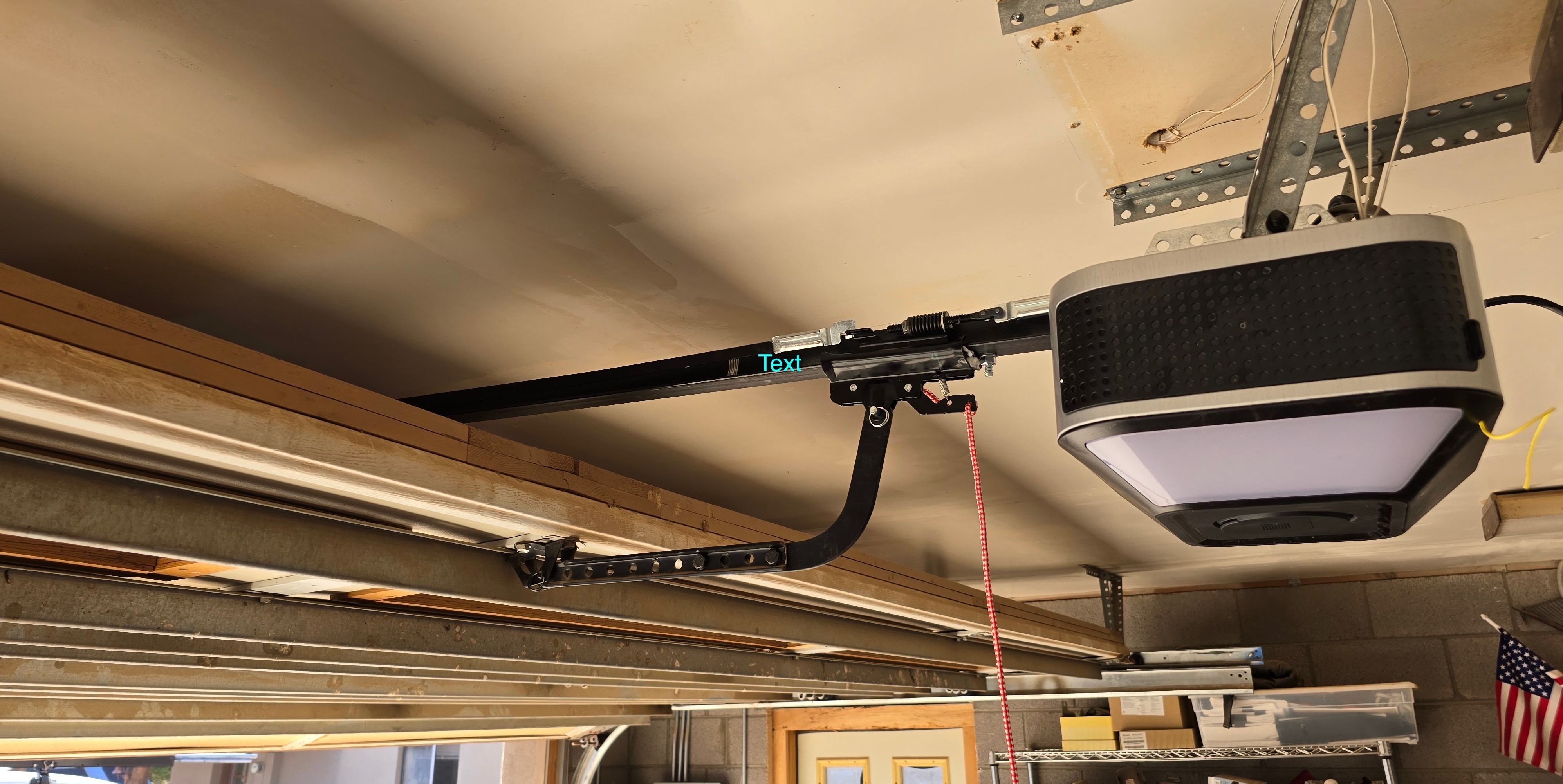
A residential garage door opener commonly remains in service for approximately 10 to 15 years, although some fail earlier and others continue much longer. The age of the opener is only one part of the replacement decision.
The opener should automate a properly balanced door. A heavy, binding, crooked, or poorly sprung door can place unnecessary load on the motor, drive system, rail, and attachment points.
Chains, belts, sprockets, gears, trolleys, bearings, bushings, and rail components may wear at different rates depending on the opener design and usage.
Logic boards, radios, controls, remotes, sensors, smart features, cameras, wiring, and replacement-part availability may influence whether repair remains practical.
Inconsistent travel, unreliable reversal, intermittent operation, unusual noise, repeated errors, or unsupported safety components may justify replacement before complete motor failure.
Many hardware components do not have one reliable calendar replacement date. Their service life depends on material, bearing design, door weight, movement, corrosion, lubrication requirements, impacts, alignment, and installation.
Replace rollers when wheels crack, flatten, wobble, seize, separate, stop turning smoothly, develop excessive bearing play, or repeatedly approach the edge of the track.
Hinges may remain serviceable for many years but should be replaced when cracked, bent, badly worn, loose at the knuckle, pulling from the section, or no longer holding the roller correctly.
Lift cables should be evaluated for broken strands, rust, kinks, flattening, rubbing, incorrect drum tracking, loose tension, or damage near their attachment points.
Drums can remain serviceable for a long time when correctly matched and aligned. Cracks, groove damage, slipping, incorrect cable wrap, or damaged set-screw areas require attention.
Worn bearings can create drag, vibration, metal dust, noise, shaft movement, or uneven spring and drum operation.
Tracks and supports may last as long as the door when protected from impact, corrosion, loose attachment, improper modification, and structural movement.
Struts may remain in service while straight and securely attached. Bending, cracking, rust, loose fasteners, or top-section deformation may require reinforcement repair.
Bottom brackets may last for many years, but corrosion, bending, cracking, loose attachment, and cable damage require professional evaluation because these parts may remain under tension.


Smaller components may require replacement long before the complete garage door. Many are affected by sunlight, moisture, temperature, impact, battery chemistry, wiring damage, pests, dirt, and electronics.
Replace the seal when it becomes flattened, hard, cracked, torn, shrunken, chewed, distorted, or unable to contact the floor properly.
Sun exposure, paint, friction, fastener movement, shrinkage, and weather can cause gaps or interfere with smooth door movement.
Battery temperature, power outages, charging, storage, and usage affect actual life. Replace the battery when indicated by the opener or testing.
Weak range, intermittent operation, dim indicators, or repeated programming problems may begin with a weak battery rather than a failed opener.
Sensors may remain in service for many years but can fail because of impact, moisture, wiring damage, sunlight interference, corrosion, or incompatible replacement parts.
Worn buttons, staples through wire, corrosion, loose terminals, damaged insulation, pests, remodeling, or electronic failure may cause intermittent operation.
Glass, acrylic, polycarbonate, frames, inserts, and seals should be evaluated for cracks, clouding, movement, gaps, impact damage, or water entry.
The trolley connection, release lever, rope, handle, and exterior key release should remain secure, reachable, and able to reconnect properly.
Calendar age alone can be misleading. A lightly used residential door and a busy shop door may be the same age but have completed dramatically different numbers of cycles.
A detached garage used a few times per week may accumulate spring, roller, hinge, cable, and opener wear slowly.
A family using the garage for every arrival, departure, school trip, delivery, and pet outing can accumulate several cycles each day.
Repeated equipment movement, customer traffic, deliveries, heat, dust, chemicals, and larger doors can increase maintenance needs.
High-use facilities should select springs, rollers, tracks, operators, controls, and safety devices for the expected duty cycle.
A developing problem may first appear as a change in sound, movement, alignment, speed, manual effort, appearance, or reliability.
Multiple failures across the door, opener, sections, and hardware may indicate widespread aging rather than one isolated problem.
A heavy door can indicate spring failure, incorrect balance, binding hardware, cable trouble, or structural damage.
One side rising first may involve cables, drums, tracks, rollers, springs, bottom brackets, or damaged sections.
Grinding, scraping, popping, rattling, squeaking, or slapping sounds may indicate worn or loose components.
Folding or cracking near the opener attachment may involve inadequate reinforcement, poor balance, excessive force, or section failure.
Rust-through, delamination, cracked joints, pulling hinges, damaged stiles, or separated overlays can affect structural serviceability.
Intermittent response, repeated reversals, travel errors, weak controls, overheating, or unavailable parts may make replacement practical.
Stop automatic operation when the photo-eye or contact-reversal system does not respond correctly.
Discontinued sections, proprietary hardware, unsupported electronics, or unavailable safety components can limit repair options.
Poor insulation, security, appearance, wind performance, clearance, or opener compatibility may justify replacement even before failure.
Maintenance cannot eliminate normal wear or restore a damaged component, but it can help identify developing problems and reduce unnecessary strain throughout the system.
Observe one complete cycle and look for changes in speed, alignment, noise, vibration, cable position, section movement, and sealing.
Test the photo-eye and contact-reversal systems according to the opener manufacturer’s instructions.
Remove loose leaves, dirt, webs, and debris without coating the track interior with thick grease.
Lubricate only approved moving points and follow the door and opener manufacturer’s instructions.
Clean, touch up, paint, stain, seal, or refinish the door according to its material and warranty requirements.
Do not make the opener compensate for a heavy, binding, rising, crooked, or poorly counterbalanced door.
A loose hinge, damaged roller, rubbing cable, bent track, torn seal, or weak reinforcement can affect surrounding components.
A professional inspection can identify wear that is difficult to evaluate safely during a homeowner visual check.
Dynamic Door Service can inspect the complete door, identify worn components, evaluate balance and safety, and explain whether repair, maintenance, or replacement makes the most sense.
Older does not automatically mean unsafe or unrepairable. The decision should consider structural condition, repair history, safety, available parts, operating needs, appearance, efficiency, and total cost.
We recommend professional garage door maintenance and a complete safety inspection once a year. High-use residential and commercial doors may need service more frequently based on usage, environment, and equipment.
We inspect the complete garage door system, identify aging or worn components, explain what each finding affects, and help you understand whether maintenance, repair, or replacement is appropriate.
Select a question to view the answer.
A complete residential garage door may remain in service for approximately 15 to 30 years when properly installed, maintained, and protected from major damage. Actual life varies with material, climate, usage, balance, maintenance, installation, and impacts.
Spring life is usually measured in cycles. Standard residential springs are often designed around approximately 10,000 cycles, while higher-cycle springs may be available. One cycle is one full opening and closing of the door.
At two cycles per day, 10,000 cycles is approximately 13.7 years. At four cycles per day, it is approximately 6.8 years. At six cycles per day, it is approximately 4.6 years. Actual spring life can vary.
Residential garage door openers commonly last approximately 10 to 15 years, although some fail earlier and others last longer. Usage, door balance, electronics, drive wear, environment, maintenance, safety performance, and parts availability affect replacement timing.
Garage door opener backup batteries commonly last about one to two years under normal use. Temperature, outages, charging, storage, and battery condition can change the actual service life.
There is no universal replacement age for all rollers. Roller material, bearing design, door weight, usage, lubrication requirements, track condition, and environment affect life. Replace rollers when they crack, wobble, seize, flatten, separate, or develop excessive wear.
Lift cables are generally replaced according to condition rather than one fixed calendar age. Fraying, broken strands, corrosion, kinks, rubbing, flattening, incorrect drum tracking, or attachment damage require professional evaluation.
Proper inspection, cleaning, manufacturer-approved lubrication, safety testing, balance correction, finish care, and prompt repair can reduce avoidable wear. Maintenance cannot restore a cracked, broken, or severely damaged component.
Not automatically. A 20-year-old door may remain serviceable if its sections, reinforcement, tracks, hardware, balance, opener connection, and safety systems are in good condition. Age should be considered together with condition, repair history, available parts, and current needs.
Replacement may make more sense when multiple sections are damaged, rust or separation affects the structure, parts are unavailable, failures are repeated, safety or wind requirements are not met, or repair cost is high compared with the door’s remaining value.
We recommend professional garage door maintenance and a complete safety inspection once a year. High-use residential and commercial doors may require more frequent service.
Yes. Every Dynamic Door Service visit includes a full safety inspection of the door, sections, hardware, springs, cables, rollers, tracks, opener, controls, sensors, balance, movement, and visible safety concerns.
Dynamic Door Service can evaluate the age and condition of your garage door, identify worn parts, explain your options, and help you decide whether maintenance, repair, or replacement provides the best value.

Copyright 2026. DYNAMIC DOOR SERVICE TX LLC. All Rights Reserved.


