Safety-Sensor Problem
Dirty lenses, damaged wiring, loose brackets, alignment problems, or a compatible failed sensor may be repairable.







Learn when an opener problem can be repaired and when replacement offers better safety, reliability, parts support, quieter operation, and long-term value.

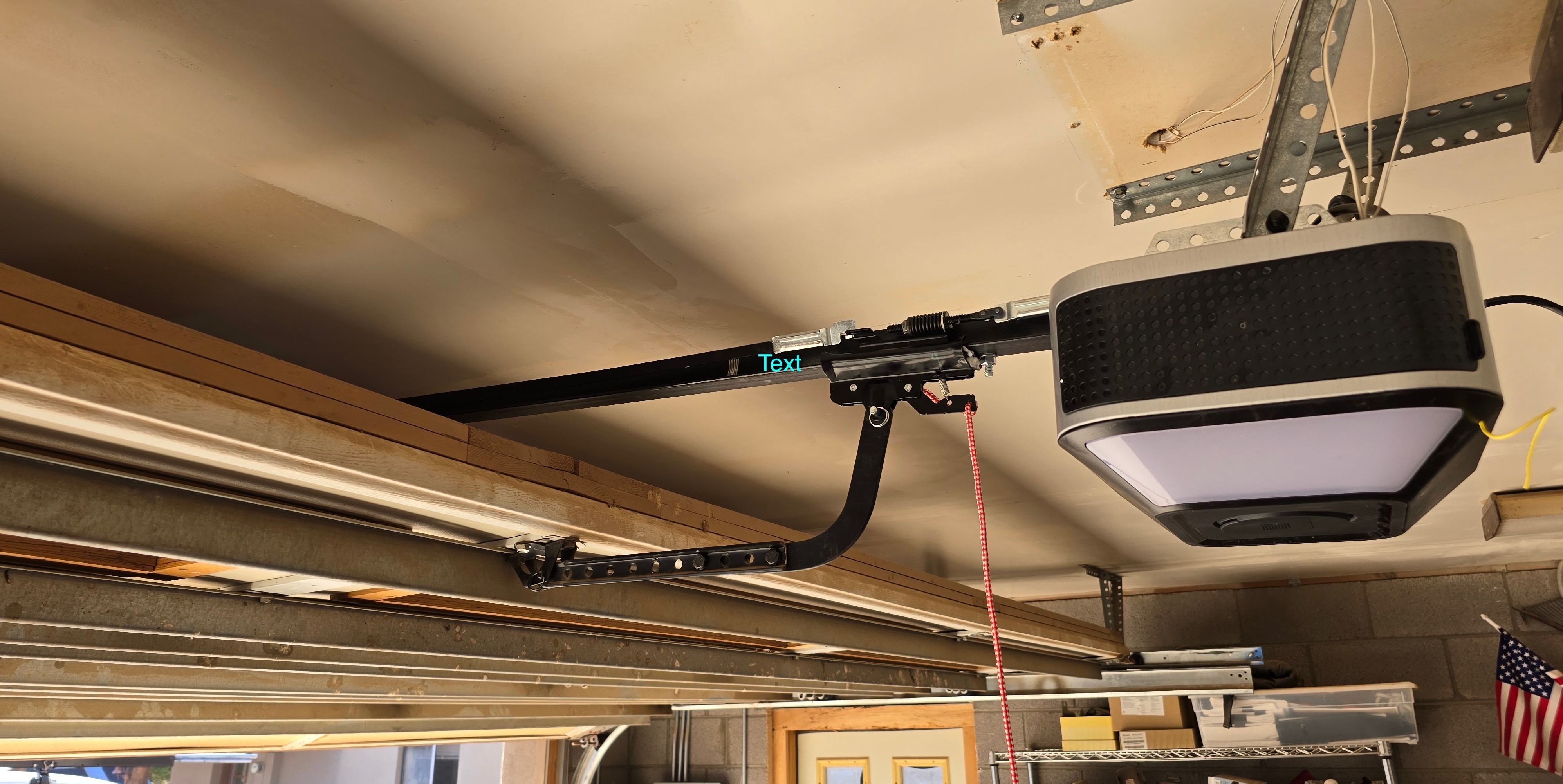
Compare the failure, opener condition, safety systems, parts availability, repair history, new features, and long-term value.
Repair usually makes sense when the opener has one isolated failure, a compatible replacement part remains available, the safety systems work correctly, and the unit has otherwise been reliable. Replacement is usually the better option when the opener lacks modern entrapment protection, has repeated failures, requires several expensive parts, has major physical or electrical damage, or no longer provides the features and reliability the homeowner needs.
The decision should consider the entire opener, the garage door, safety operation, available parts, and likely future repairs.
| Condition | Repair May Make Sense | Replacement May Make Sense |
|---|---|---|
| Type of Failure | One compatible sensor, control, gear, board, or drive component has failed. | Several major mechanical or electrical components have failed. |
| Safety Systems | Photo eyes and reversal systems are present and pass testing. | The unit lacks working external entrapment protection. |
| Parts Availability | The exact manufacturer-approved part remains available. | Critical parts are discontinued or incompatible. |
| Repair History | The opener has otherwise operated reliably. | The opener has needed repeated service or multiple recent repairs. |
| Physical Condition | The housing, rail, mounting points, wiring, and motor remain sound. | The opener has major impact, water, heat, corrosion, or housing damage. |
| Noise and Operation | The existing drive system still meets the homeowner’s needs. | Quieter DC and belt-drive operation is an important upgrade goal. |
| Features | The current controls and accessories remain sufficient. | The homeowner wants Wi-Fi, battery backup, cameras, or improved lighting. |
| Long-Term Value | The repair restores dependable operation at a reasonable cost. | The repair approaches the cost and value of a complete new opener. |
Repair is most practical when the failure is clearly identified, the correct part is available, and the rest of the opener and garage door remain in serviceable condition.
Dirty lenses, damaged wiring, loose brackets, alignment problems, or a compatible failed sensor may be repairable.
A failed remote, keypad, wall control, battery, or programming issue may not require replacement of the motor unit.
Some chain- and belt-drive units have model-specific gear, sprocket, pulley, and drive components available for repair.
A failed receiver or logic board may be replaceable when the exact compatible board remains supported.
A damaged drive component may be replaceable when the motor, rail, and remaining system are still in good condition.
Some opening, closing, or reversal complaints are caused by setup, sensor, wiring, or door-balance problems rather than opener failure.
Replacement can provide a complete matched motor, rail, drive system, controls, sensors, wiring, and accessories rather than continuing to invest in an older unsupported system.


Replacement becomes more practical when repairing one component will not address the opener’s safety, reliability, support, or overall condition.
A broken housing, bent rail, damaged mounting, exposed components, or impact damage may affect more than one part.
An older opener without working external entrapment protection should receive strong replacement consideration.
Multiple board, wiring, sensor, motor, or control problems can make continued repair poor value.
Replacement may be necessary when the required logic board, motor, rail, or safety component is discontinued.
A board, gear assembly, sensors, controls, and drive system needed at the same time can approach replacement value.
Replacement allows quieter operation, battery backup, smart control, improved lighting, and other model-specific features.
Residential garage door openers manufactured beginning January 1, 1993 were required to comply with additional entrapment-protection requirements. Older openers may lack the external safety protection used by modern systems.
Modern systems commonly use a sending and receiving sensor mounted near the bottom of the garage-door opening.
The opener should respond correctly to an interrupted sensor beam and reverse when the door meets an obstruction during testing.
Sensors should not be removed, mounted near the opener, taped together, or bypassed to force the door to close.
Even when an older opener still runs, safety components, boards, remotes, and other critical parts may no longer be supported.
Opener parts should be matched using the manufacturer, model number, production range, drive system, rail, learn-button generation, wiring, and parts diagram.
Receiver and control boards may look similar while using different software, wiring, travel systems, and accessory compatibility.
Sensor design, wiring, brackets, and compatible manufacturing years vary between product generations.
Rail length, shape, belt or chain design, trolley, pulley, and motor connection must function as a matched system.
Radio technology and programming compatibility vary by opener model and production generation.
Gear kits, sprockets, shafts, belts, and chain assemblies must match the opener and rail construction.
Basic buttons, multifunction controls, smart panels, and wiring requirements are not universally interchangeable.
An opener may stop, reverse, strain, or make noise because the garage door is difficult to move. A new opener should not be installed until the door operates safely and smoothly by hand.
Springs counterbalance the door’s weight. A broken or incorrectly sized spring can overload the opener.
Bent tracks, worn rollers, damaged hinges, and poor alignment can increase resistance.
Uneven cables, damaged drums, or a crooked door can make the opener pull against an unstable system.
Bent sections, failed reinforcement, and damaged opener attachment points can change the door’s movement.
A properly functioning door should move smoothly and remain reasonably controlled when disconnected and tested correctly.
Opener adjustments cannot safely compensate for a garage door that sticks, binds, falls, or rises on its own.
Replacement can add useful features, but not every new opener includes every option. Compare the exact model before purchasing.
DC motors, belt drives, and soft start-and-stop operation may reduce vibration near attached living areas.
Compatible Wi-Fi openers may provide remote status, alerts, control, and diagnostics through an app.
Selected models can operate the door during a power outage using an integrated backup battery.
Certain models offer live video, recorded events, and two-way communication through a connected application.
Modern models may offer brighter, longer-lasting lighting across a larger portion of the garage.
New remotes, keypads, wall controls, rolling codes, and compatible accessories can replace an outdated control system.
Identify whether the problem involves the opener, controls, sensors, rail, drive system, wiring, or garage door.
The door should be inspected for balance, binding, broken springs, worn rollers, damaged tracks, and section problems.
Confirm the photo eyes, reversal systems, emergency release, controls, and door travel operate correctly.
Match the exact model, production generation, rail, drive system, wiring, and manufacturer parts information.
Consider the motor, board, gears, chain or belt, rail, controls, sensors, wiring, and mounting.
Several recent repairs may indicate that replacement provides better long-term value.
Compare noise, battery backup, smartphone control, camera, lighting, ceiling space, remotes, and keypads.
Compare the full repair with a complete replacement that includes installation, setup, accessories, and safety testing.
We inspect the opener and the complete garage door before recommending repair or replacement.
We will explain what failed, whether the correct parts remain available, and whether repair or replacement provides better value.
Select a question to view the answer.
Repair usually makes sense when one compatible part has failed and the opener remains safe and reliable. Replacement is often better when several parts are failing, safety protection is outdated, critical parts are unavailable, or repairs have become frequent.
Replacement deserves strong consideration because residential openers manufactured beginning January 1, 1993 were required to meet additional entrapment-protection requirements. Older systems may lack modern external safety protection.
Not always. Dirty lenses, alignment, wiring, brackets, sunlight, or a compatible failed sensor may be repairable. The exact opener model and sensor compatibility must be confirmed.
Some logic boards can be replaced when the exact manufacturer-approved board remains available and the motor, rail, drive system, wiring, and remaining opener are in serviceable condition.
It depends on the manufacturer and model. Motor units, rails, trolleys, belts, chains, sensors, controls, and wiring are not universally interchangeable.
Possible causes include a disconnected trolley, damaged gear or sprocket, broken belt or chain, rail problem, broken spring, cable issue, or another garage-door failure.
A broken spring can make the door extremely heavy and place abnormal strain on the opener. Stop operating the system and have the door and opener inspected.
A modern DC belt-drive opener may reduce opener noise, but rollers, hinges, tracks, springs, sections, vibration, and door balance also affect the total sound.
No. Battery backup is model-specific. Confirm the exact product features before selecting a replacement opener.
No. Wi-Fi and smartphone control vary by model, available internet service, application support, and product configuration.
Existing remotes may not be compatible with the new opener’s radio technology. The replacement system may include new remotes, controls, sensors, or keypads.
Yes. Dynamic Door Service repairs supported opener systems and installs new residential and commercial garage door openers. Every visit includes a full safety inspection of the complete door system.
Dynamic Door Service will inspect the opener and garage door, identify the failure, confirm parts availability, test the safety systems, and explain whether repair or replacement offers better long-term value.

Copyright 2026. DYNAMIC DOOR SERVICE TX LLC. All Rights Reserved.


