The panel may not be receiving or converting enough usable sunlight.

24/7 EMERGENCY SERVICE AVAILABLE







Automatic Gate Solar Troubleshooting
Solar Gate Operator Not Charging
If your solar gate batteries are not charging or keep getting low, the problem may involve sunlight, panel condition, wiring, the charge controller, batteries, system demand or the physical gate itself. A panel producing voltage does not automatically prove the batteries are being charged correctly.
Solar Panel
Charge Controller
Gate Batteries
Sunlight & Shade
Wiring
System Demand

Energy In
Panel • Sunlight • Charging
Energy Stored
Batteries • Operator • Accessories
Quick Answer
Why Is My Solar Gate Operator Not Charging?
A solar gate may fail to charge because the system is not collecting,
transferring, storing or replacing enough energy.
Possible causes include insufficient sunlight, new shade, a dirty or damaged solar panel, loose or damaged wiring, a failed charging component, weak batteries, excessive gate cycles, accessory power demand or a gate that requires too much mechanical effort to move. Diagnosis should follow the complete path from the solar panel to the batteries and then compare charging capacity with system demand.
On This Page
Solar Gate Charging Troubleshooting
01 What “Not Charging” Means
02 Safe First Checks
03 Sunlight & Shade
04 Solar Panel Condition
05 Wiring & Connections
06 Charge Controller
07 Batteries
08 Gate Use & Accessories
09 Mechanical Load
10 Cloudy Weather
11 Useful Diagnostic Clues
12 What Not to Do
13 Professional Diagnosis
14 When to Call
15 FAQ
Follow the Energy Path
Stage 01
Energy Collection
Stage 02
Energy Transfer
Stage 03
Energy Storage
Stage 04
Energy Demand
A Solar Charging Problem Can Happen at Four Different Stages
“The solar gate is not charging” does not automatically mean the solar panel is bad. The problem can occur before, during or after the energy reaches the battery system.
Wiring, connections or charging equipment may prevent available panel energy from reaching the batteries correctly.
Weak or damaged batteries may no longer accept or retain enough usable charge.
The gate and connected equipment may be consuming energy faster than the system can replace it.
Observe Before Replacing Parts
Safe First Checks for a Solar Gate That Is Not Charging
Useful clues can often be gathered without opening energized equipment or changing charge-controller settings.
Look at the Solar Side
- Check whether the panel is heavily shaded.
- Look for dirt, debris or obvious physical panel damage.
- Look for visible loose or damaged exterior wiring.
- Notice whether vegetation has grown around the panel.
- Note whether the problem started after storms or property work.
Observe Gate Behavior
- Notice whether the gate gets slower as battery charge falls.
- Record low-battery or charging warnings.
- Note whether the problem follows cloudy weather.
- Notice whether gate traffic has recently increased.
- Consider whether new powered accessories were added.
Charging procedures are operator-specific.
Do not short solar-panel or battery terminals, bypass protective devices,
or randomly change charging settings without the correct procedure for
the installed gate operator.
Charging Starts With Available Solar Energy
Tree Shade
Structures
Seasonal Sun Angle
Panel Location
Shade Can Reduce Charging Even When the Panel Looks Like It Is in the Sun
Solar performance should be evaluated at the actual panel location throughout the day. Trees, buildings, terrain, vegetation and seasonal changes can reduce useful solar exposure.
Growing vegetation can gradually reduce the sunlight reaching a panel.
Buildings, columns, fences and other structures can create changing shade.
A location that performs well during one season may receive different exposure later in the year.
The panel should be evaluated where it is actually installed, not from general regional sunlight assumptions.

Real Solar Gate Installation
Panel location and surrounding shade affect available charging energy.
Inspect the Source
Dirt & Debris
Physical Damage
Mounting & Position
Connections
A Solar Panel Can Be Present but Not Deliver Useful Charging Energy
The condition of the panel and its installation should be considered before assuming the batteries or controller are responsible.
Heavy buildup can reduce how much useful sunlight reaches the panel.
Cracks, impact damage or weather damage can affect panel performance.
A shifted or poorly positioned panel may no longer receive the intended solar exposure.
Panel wiring and connectors must transfer available energy into the charging system.
Seeing open-circuit voltage from a solar panel can be useful information,
but it does not by itself prove that the complete charging system is
delivering enough energy to the batteries during normal operation.
Energy Has to Reach the Charger
Wiring Problems Can Interrupt Solar Charging
A working panel cannot charge the batteries if the electrical path between the panel, charging equipment and battery system is damaged or unreliable.
Loose exterior connections can create intermittent charging.
Corrosion can increase resistance and reduce reliable current flow.
Damaged wiring can interrupt the energy path completely.
Storms, animals, landscaping or equipment movement can damage
outdoor wiring.
The Panel Does Not Usually Charge the Battery by Itself
Controller Input
Charging Output
Diagnostics
Charging Equipment Has to Manage Solar Energy Correctly
Depending on the gate operator, solar energy may pass through a separate charge controller or charging circuitry built into the operator system. A fault in this stage can prevent otherwise available solar energy from reaching the batteries correctly.
Solar energy must reach the charging equipment through the intended wiring path.
The charging system must then deliver the appropriate output for the installed battery system.
Lights, displays and fault indications vary by manufacturer and should be interpreted using the exact operator documentation.
A charging indicator that is off is not a universal proof of failure.
On some solar charging systems, charging indicators may only operate
when sufficient sunlight is available. Always follow the exact
controller or operator documentation.
The Batteries Must Accept and Store the Charge
Reduced Capacity
Voltage Under Load
Repeated Low Charge
Read the Automatic Gate Battery Guide →
A Charging Problem Can Actually Be a Battery Problem
A healthy charging source cannot restore reliable operation if the batteries no longer accept, store or deliver enough usable energy.
Aging or damaged batteries may lose usable storage capacity.
Battery behavior can change significantly once the gate operator begins moving the gate.
Batteries that repeatedly go low should trigger evaluation of both battery condition and the complete charging system.
Charging Capacity Must Match Actual Usage
Gate Cycles
Keypads & Receivers
Communication Equipment
Safety Equipment
The Solar System May Be Working—but Unable to Keep Up
A solar gate can gradually lose battery charge when the complete system consumes more energy than the available solar charging replaces.
More opening and closing cycles increase total daily energy use.
Access-control equipment can add continuous or intermittent demand.
Cellular, networked and connected devices can change standby load.
Required monitored safety equipment remains part of the complete electrical system.
There is no universal number of gate cycles that every solar system
should handle. The correct charging capacity depends on the exact
operator, batteries, available sunlight, accessories, gate load and
property conditions.
Solar Has to Power the Physical Gate
Swing Gate Hardware
Slide Gate Hardware
Slow Gate Movement
Repair the Gate First
A Gate That Drags Can Make a Solar System Look Undersized
Every gate cycle consumes stored energy. A gate that binds, drags, sags or has damaged hardware can require more operator effort and increase electrical demand.
Hinges, sagging, actuator geometry and ground contact can affect operating load.
Wheels, rollers, track, guides and drive components can create additional resistance.
Increased mechanical demand may become more noticeable as battery reserve falls.
Correcting mechanical resistance can reduce unnecessary load on the operator and power system.

The Gate Matters
Mechanical resistance increases the work the operator has to do.
Stored Energy Provides the Reserve
Healthy Battery Reserve
Limited Charging Margin
Pattern Matters
A Solar Gate Should Not Automatically Fail Every Time It Gets Cloudy
A properly designed solar system uses stored battery energy when current sunlight is reduced. Repeated failures after cloudy periods can expose a system that has weak batteries, insufficient charging margin, heavy shade or excessive demand.
Stored energy helps carry the gate through nights and periods of reduced solar production.
A system already operating near its energy limit has less reserve during extended poor weather.
Failure that consistently follows cloudy weather is useful diagnostic information.
Symptoms Can Narrow the Search
Works After External Charging, Then Fails Again
Fails After Several Cloudy Days
Panel Has Voltage but Batteries Stay Low
Charging Problem Started After New Equipment
What the Solar Gate Does Can Help Identify Where to Look
This can suggest that stored battery energy restores operation but the installed charging system is not replacing enough energy.
Battery condition, reserve capacity, system sizing, shade and total demand become important to investigate.
The charging path, controller, wiring, connections and battery condition should be checked rather than assuming panel voltage proves normal charging.
Added access-control or communication equipment may have changed the system's total electrical demand.
Avoid Guessing at the Power System
Do Not
Replace the Panel First
Do Not
Keep Replacing Batteries
Do Not
Add Random Panel Capacity
What Not to Do When a Solar Gate Will Not Charge
A low battery does not prove that the solar panel is the failed component.
Repeated battery replacement will not correct an underlying charging, wiring or demand problem.
Panel sizing and charging requirements should follow the exact operator and system design rather than a universal recommendation.
Trace the Complete Charging Path
Step 1
Evaluate Solar Exposure
Step 2
Evaluate Panel Input
Step 3
Test the Charging Path
Step 4
Evaluate Batteries
Step 5
Measure System Demand
Step 6
Inspect Gate Movement
How a Technician Diagnoses a Solar Gate That Is Not Charging
The goal is to identify where usable energy is being lost rather than replacing batteries, panels or control boards based only on symptoms.
Check panel location, shade and current site conditions.
Determine whether usable solar energy is reaching the charging system.
Check wiring, connections, protective devices and charging components.
Check battery condition and behavior under actual operating load.
Consider gate cycles, accessories and standby electrical load.
Determine whether mechanical resistance is increasing operator energy demand.
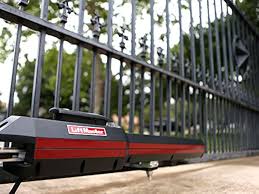
Complete-System Diagnosis
Solar charging problems should be traced from the panel through the entire gate system.
Solar Gate Repair • East Texas
Batteries Keep Going Dead
Panel Input Needs Testing
Gate Is Slow or Binding
When a Solar Charging Problem Needs Professional Diagnosis
Professional diagnosis makes sense when the batteries repeatedly go low, charging output needs to be tested or the cause cannot be identified from a safe visual inspection.
Replacement or charging temporarily restores operation but the problem returns.
Solar production, charging output or wiring requires electrical diagnosis.
Mechanical load may be contributing to excessive electrical demand.
Common Questions
Solar Gate Operator Not Charging FAQ
Why is my solar gate operator not charging?
Possible causes include insufficient sunlight, panel damage, loose or
damaged wiring, a charging-system fault, weak batteries, excessive
gate cycles, accessory power demand or mechanical gate resistance.
Can a solar panel have voltage and still not charge the gate batteries?
Yes. Panel voltage alone does not prove that enough usable charging
energy is reaching the batteries. Wiring, the charging circuit,
battery condition and system demand should also be evaluated.
Can shade stop a solar gate from charging correctly?
Persistent or increasing shade can reduce the solar energy available
to the charging system. Trees, structures, vegetation, terrain and
seasonal changes can all affect panel exposure.
Why does my solar gate stop working after cloudy weather?
Repeated failure after cloudy periods can indicate weak batteries,
limited stored energy, insufficient charging capacity, heavy shade,
high gate usage or excessive accessory demand.
Can a bad battery make it look like the solar panel is not charging?
Yes. Weak or damaged batteries may no longer accept, store or deliver
enough usable energy even when the solar panel and charging system are
producing power.
Why is the charging light on my solar gate controller off?
Charging-light behavior depends on the exact controller. Some systems
only show charging indications when sufficient sunlight is available,
so the operator or charge-controller manual should be used before
treating an indicator as proof of a failure.
Can gate accessories cause a solar charging problem?
Connected keypads, receivers, communication equipment and other
accessories can increase electrical demand. The solar and battery
system must be designed to support the complete installed load.
Can too many gate cycles drain a solar system?
Frequent gate operation increases the amount of energy the charging
system must replace. Whether the system can keep up depends on the
operator, battery capacity, available sunlight, gate load and
accessories.
Can a dragging gate cause solar battery problems?
A gate that drags, binds, sags or has damaged moving hardware can
increase operator effort and electrical demand, reducing the amount
of stored energy available.
Should I replace the solar panel if my gate batteries are low?
Not automatically. Low batteries can result from the batteries,
panel, charging equipment, wiring, shade, system demand or mechanical
gate load. The complete charging system should be diagnosed first.
Should I add a larger solar panel to fix the charging problem?
Not without evaluating the complete system. Solar-panel and battery
sizing depend on the exact operator, sunlight, daily cycles, battery
system, accessories and gate load rather than one universal panel size.
Can Dynamic Door Service repair a solar gate that is not charging?
Yes. Dynamic Door Service provides automatic gate diagnostics and
repair throughout its East Texas service area and can evaluate solar
panel input, batteries, charging equipment, wiring, operator demand,
accessories, safety equipment and the physical gate.
Solar Gate Repair • East Texas
Solar Gate Not Charging?
Dynamic Door Service provides solar gate diagnostics and automatic gate repair throughout East Texas. We can evaluate solar-panel input, charging equipment, batteries, wiring, operator demand, accessories and the physical gate to determine why the system is not staying charged.
These are featured service-area pages—not our complete service area.
Dynamic Door Service serves many surrounding East Texas communities.
Call 903-364-6364 to confirm service for your property.
Every gate service visit includes a complete inspection of the
applicable gate system and safety equipment.
Hours:
Mon – Sat 8:00am-6:00pm
Sunday- Emergency Service Only
24/7 Emergency Service Available



Copyright 2026. DYNAMIC DOOR SERVICE TX LLC. All Rights Reserved.