Collects available solar energy for the charging system.
24/7 EMERGENCY SERVICE AVAILABLE



Automatic Gate Learning Center
Solar vs. AC Gate Operators
Both solar and AC-powered gate systems can operate automatic swing and slide gates. The better choice depends on electrical availability, sunlight, battery capacity, gate usage, accessory demand, property layout and the exact operator.
Solar Charging
AC Power
Battery Systems
Swing Gates
Slide Gates
Access Control

Option 1
Solar Charging
Option 2
AC-Supplied System
Quick Answer
Is Solar or AC Better for an Automatic Gate?
Neither power option is automatically better for every gate.
Solar is especially useful where running utility power to the gate would be difficult or impractical, but it depends on adequate solar exposure, battery storage and a properly sized charging system. AC is often attractive where suitable electrical service is already available, although many AC-supplied operators still use batteries or DC electronics internally. The exact operator and property should determine the power design.
On This Page
Solar vs. AC Comparison
Understand the Architecture First
The Power Source and the Motor Are Not Always the Same Thing
Many automatic gate systems use DC electronics and batteries even when utility AC is available. In those systems, AC or solar may serve primarily as the charging source for the battery system that supports gate operation.
Source
AC or Solar
→
Power Management
Charger / Control System
→
Gate Operation
Battery / Operator System
Exact architecture varies by operator. Always follow the power,
battery and charging specifications for the specific gate operator.
At a Glance
Solar vs. AC Gate Operators: Quick Comparison
| Consideration | Solar | AC |
|---|---|---|
| Primary Energy Source | Sunlight converted through a solar charging system. | Utility electrical service supplied to the gate system. |
| Battery Dependence | Typically relies heavily on battery energy storage. | May use batteries for normal DC operation, backup, or both depending on operator. |
| Utility Power at Gate | Can be useful where utility power is unavailable or difficult to bring to the entrance. | Requires suitable electrical service at the installation location. |
| Sunlight | Solar exposure and shading matter. | Gate operation is not dependent on solar exposure. |
| Accessory Load | Must be included in the available solar and battery energy budget. | Still matters, particularly for battery-backed or DC systems. |
| Outage Operation | Depends on stored battery energy and charging conditions. | Depends on whether the operator has battery backup or another backup system. |
| Best Application | Site-specific. | Site-specific. |
Solar Is a Charging System
Solar Panel
Charging System
Batteries
Operator & Accessories
Read the Complete Solar Gate Operator Guide →
How a Solar Gate System Stores and Uses Energy
In a typical solar-capable gate system, the panel collects energy during available sunlight and the charging system uses that energy to maintain batteries. Stored battery energy is then available for gate operation and connected equipment according to the operator design.
Manages charging according to the system design.
Store energy for gate operation when sunlight is not immediately available.
Use energy from the system as the gate and connected devices operate.
Utility Power at the Entrance
AC Power Does Not Always Mean an AC Motor
Utility AC may directly support an operator or may feed a power supply and charger that supports a DC and battery-based gate system. The architecture depends on the specific operator.
Why this matters when comparing solar and AC
The real comparison is often the available charging or supply source at the gate—not simply what type of motor is inside the operator. Some systems are designed so similar battery-powered electronics can be charged from either AC or solar.
Solar May Be a Strong Fit When...
Reasons to Consider a Solar Gate Operator
Suitable utility power is not already available at the gate.
The site has adequate solar exposure for the proposed system.
Gate usage fits the available charging and battery capacity.
Connected accessories can be supported by the energy budget.
The chosen operator is designed or approved for solar charging.
The property layout makes solar installation practical.
AC May Be a Strong Fit When...
Reasons to Consider an AC-Supplied Gate System
Suitable electrical service is already available near the entrance.
Solar exposure is limited by trees, structures or site orientation.
The property has significant gate or accessory electrical demand.
The selected operator is designed around an AC supply.
Electrical installation can be completed appropriately for the site.
The owner prefers not to depend primarily on solar charging conditions.
Solar Depends on the Actual Site
Panel Location
Shade
Seasonal Changes
Sunlight and Shade Matter
Solar performance should be evaluated at the proposed panel location, not assumed from the general climate or region. Trees, structures, seasonal shading, panel orientation and changing site conditions can affect available charging energy.
The panel needs an appropriate location for the system being installed.
Trees and structures can reduce the solar energy available to the charging system.
Solar conditions can change throughout the year as sun angle and vegetation change.
Batteries Matter in Both Systems
Solar Is Not the Only Gate System That Uses Batteries
Solar gate systems commonly depend on batteries for stored operating energy, but AC-supplied operators may also use batteries for normal DC operation, emergency backup or both.
Battery condition, state of charge, charging performance and system
demand can affect gate operation regardless of whether the charging
source is AC or solar.
Read the Automatic Gate Battery Guide →
Power Demand Is Property-Specific
Gate Resistance
Travel Distance
Daily Cycles
Battery Condition
How Often the Gate Operates Matters
The power system should be sized around the actual gate and expected usage rather than a universal number of cycles.
A gate that drags or binds can require additional operator effort.
Longer operating cycles can affect available stored energy.
Frequent gate operation increases total system energy demand.
Available capacity depends partly on battery health and state of charge.
The Operator Is Not the Only Load
Access Controls Can Add Electrical Demand
The complete system should be evaluated when choosing a power source. Depending on the equipment, access-control and communication devices can add demand that the charging and battery system must support.
Keypads
Receivers
Telephone Entry
Video Entry
Network Equipment
Vehicle Detection
Read the Gate Access Control Guide →
Compare the Whole Installation
Solar
AC
Power Choice Can Change How the Site Is Built
Panel, Batteries & Charging Equipment
Solar requires a suitable panel location, compatible charging equipment, battery storage and wiring appropriate for the operator and property.
Electrical Service to the Gate
An AC installation requires suitable utility electrical service at the operator location and should follow the requirements of the equipment and applicable electrical installation practices.
Backup Depends on the Operator
What Happens During a Power Outage?
An AC-supplied gate operator does not automatically stop working during every utility outage. Many modern operators include or support battery backup. Solar systems also depend on stored battery energy when current sunlight is insufficient to supply charging.
The number of available gate cycles during reduced charging or an
outage cannot be predicted from “solar” or “AC” alone. Battery
capacity, condition, gate resistance, accessories and system usage
all matter.
Both Systems Require Inspection
Read the Automatic Gate Maintenance Guide →
Solar vs. AC Maintenance
Solar System
Inspect the panel condition and exposure, charging system, batteries, connections, operator, gate movement, accessories and safety equipment according to the installed system.
AC-Supplied System
Inspect the electrical supply components relevant to the operator, batteries where equipped, charging system, gate movement, accessories and safety equipment.
Power Source Does Not Replace Gate Safety
Solar and AC Gates Need Proper Safety Systems
Changing the charging or electrical source does not eliminate the moving-gate hazards created by an automatic vehicular gate. The operator, gate, entrapment zones and required safety devices should be evaluated for the actual installation.
Read the Automatic Gate Safety Guide →
Use the Property to Make the Decision
Consider Solar When
Consider AC When
Solar or AC: Which Fits Your Gate?
Start with the site rather than assuming one power source is always more reliable, economical or appropriate.
Remote Power Is the Main Challenge
- Utility electrical service is not conveniently available.
- The proposed panel location has suitable solar exposure.
- Gate usage fits the designed battery and charging capacity.
- The operator and accessories are compatible with the solar design.
- The complete system can be maintained properly.
Utility Power Is Practical at the Gate
- Appropriate electrical service is already nearby or practical to install.
- The property has poor solar exposure.
- The selected operator is designed around an AC supply.
- The gate or accessories create significant electrical demand.
- The owner wants utility power as the primary supply source.
Evaluate the Entire Gate System
Site Conditions
System Demand
Complete Installation
Not Sure Whether Your Gate Should Use Solar or AC?
Dynamic Door Service can evaluate the gate, operator, expected usage, property layout, electrical availability, solar exposure, battery requirements, access controls and safety equipment before recommending a power configuration.
Electrical availability, panel location, shade, distance and property layout.
Gate size, movement, operating cycles, batteries and accessory load.
Operator, charging system, access controls and safety equipment.
Common Questions
Solar vs. AC Gate Operator FAQ
Is solar or AC better for an automatic gate?
Neither is automatically better. The correct choice depends on
electrical availability, solar exposure, battery requirements,
gate usage, accessory demand, property conditions and the exact
gate operator.
Can an automatic gate run completely on solar power?
Compatible gate operators can use a solar charging system without
utility AC at the gate. These systems generally use batteries to
store energy for gate operation, and the complete system must be
sized for the site and expected demand.
Does a solar gate operator need batteries?
Many solar gate systems use batteries to store energy collected
through the solar charging system so the operator can function when
sunlight is unavailable or insufficient at that moment.
Do AC gate operators also use batteries?
Many do. Depending on the operator, batteries may support normal
DC operation, provide backup during a utility outage or perform
both functions.
Will a solar gate work on cloudy days?
Gate operation depends on the energy stored in the battery system
and the charging available over time. Cloudy conditions can affect
solar charging, so system sizing, battery condition, usage and
accessory demand all matter.
Can a solar gate work in a shaded location?
Shade can reduce the solar energy available to the charging system.
The actual panel location and expected solar exposure should be
evaluated before choosing a solar installation.
What happens to an AC gate during a power outage?
It depends on the operator. Many modern gate operators include or
support battery backup, while other systems may require a different
backup arrangement. Follow the specifications for the exact operator.
Can swing and slide gates both use solar power?
Yes. Solar-capable operators are available for both swing and slide
gates, but compatibility, gate size, usage and site conditions must
be considered for the specific system.
Do keypads and access controls affect a solar gate system?
They can. Connected access-control, communication and detection
equipment can add electrical demand that should be included when
evaluating the charging and battery system.
Is solar cheaper than running AC power to a gate?
There is no universal answer. Installation cost depends on distance,
site work, electrical availability, operator requirements, solar
equipment, batteries, accessories and the property itself.
Does a solar gate require less maintenance than an AC gate?
Not necessarily. Both systems require appropriate maintenance of the
gate, operator, safety equipment and electrical components. Solar
systems also require attention to the panel, charging system and
battery condition.
Can Dynamic Door Service install both solar and AC gate operators?
Yes. Dynamic Door Service installs and services automatic gate
systems throughout its East Texas service area and can evaluate
solar and AC power options based on the property, operator and
complete gate system.
Automatic Gate Installation • East Texas
Need Help Choosing Solar or AC?
Dynamic Door Service installs and services automatic gate systems throughout East Texas. We can evaluate electrical availability, solar exposure, gate usage, batteries, access controls and the complete operator system before recommending a power configuration.
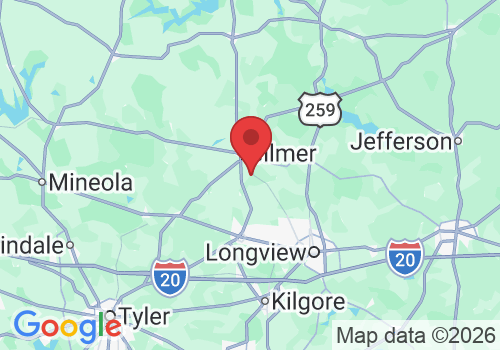
These are featured service-area pages. Dynamic Door Service serves
many surrounding East Texas communities. Call 903-364-6364 to confirm
service for your property.
Hours:
Mon – Sat 8:00am-6:00pm
Sunday- Emergency Service Only
24/7 Emergency Service Available


Copyright 2026. DYNAMIC DOOR SERVICE TX LLC. All Rights Reserved.